
Weaning Naturally: How to Support Your Body Through the Transition
Weaning doesn't get talked about nearly as much as starting breastfeeding does, which always strikes me as an odd gap, because it can be just as significant an adjustment, physically and emotionally, as the beginning was.
However you arrive at this stage, whether it's your choice, your baby's, or some combination of circumstances, it deserves the same care and attention as every other part of your feeding journey.
From a naturopathic perspective, weaning has two sides worth supporting deliberately: the physical shift as production winds down, and the emotional adjustment that comes with it. Let's look at both, along with a few practical steps that make the stretch gentler.

1. The Physical Side
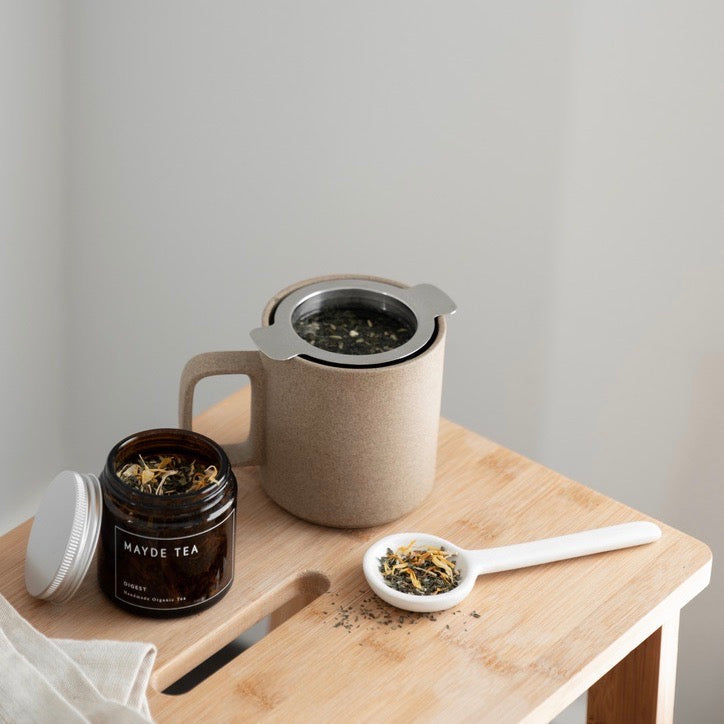
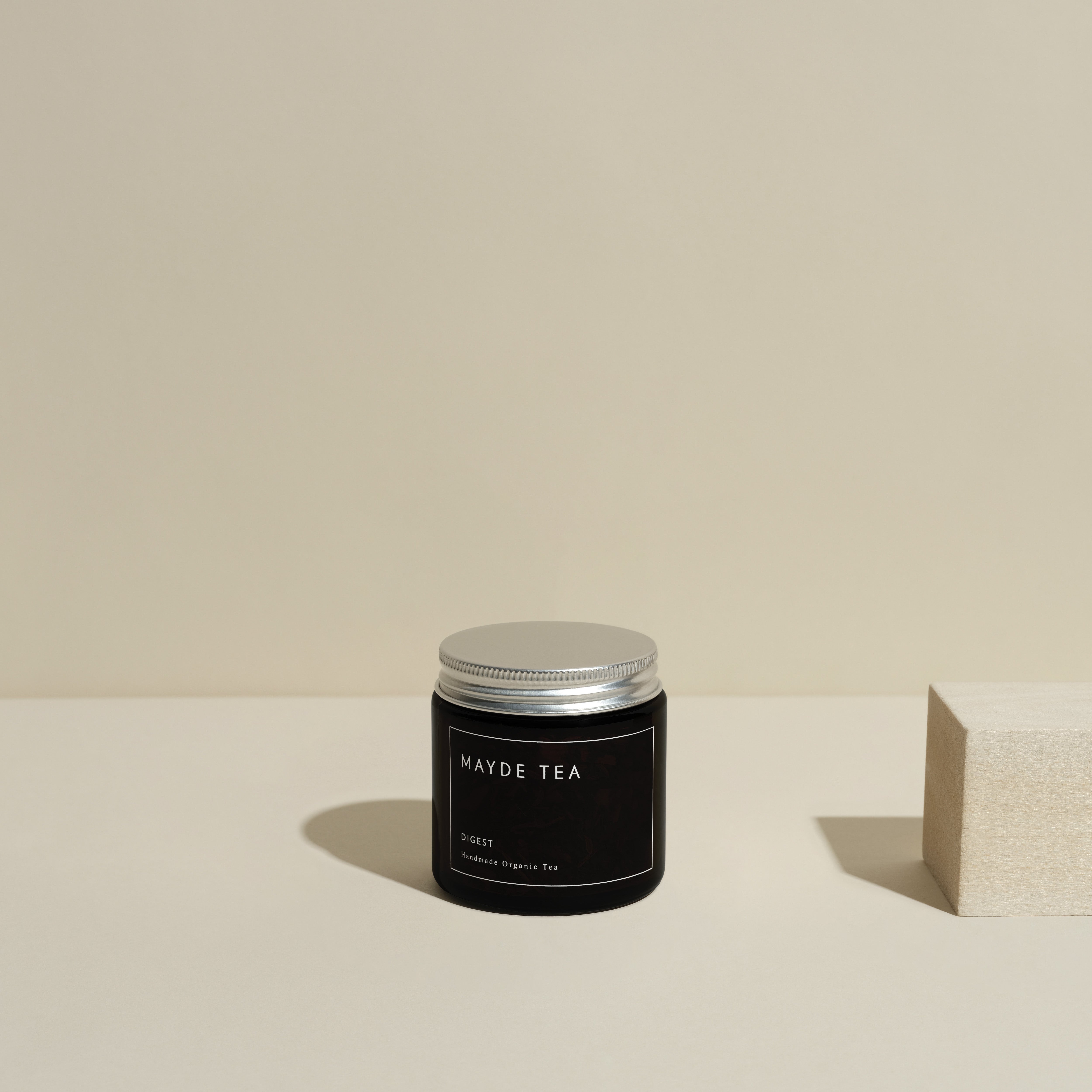
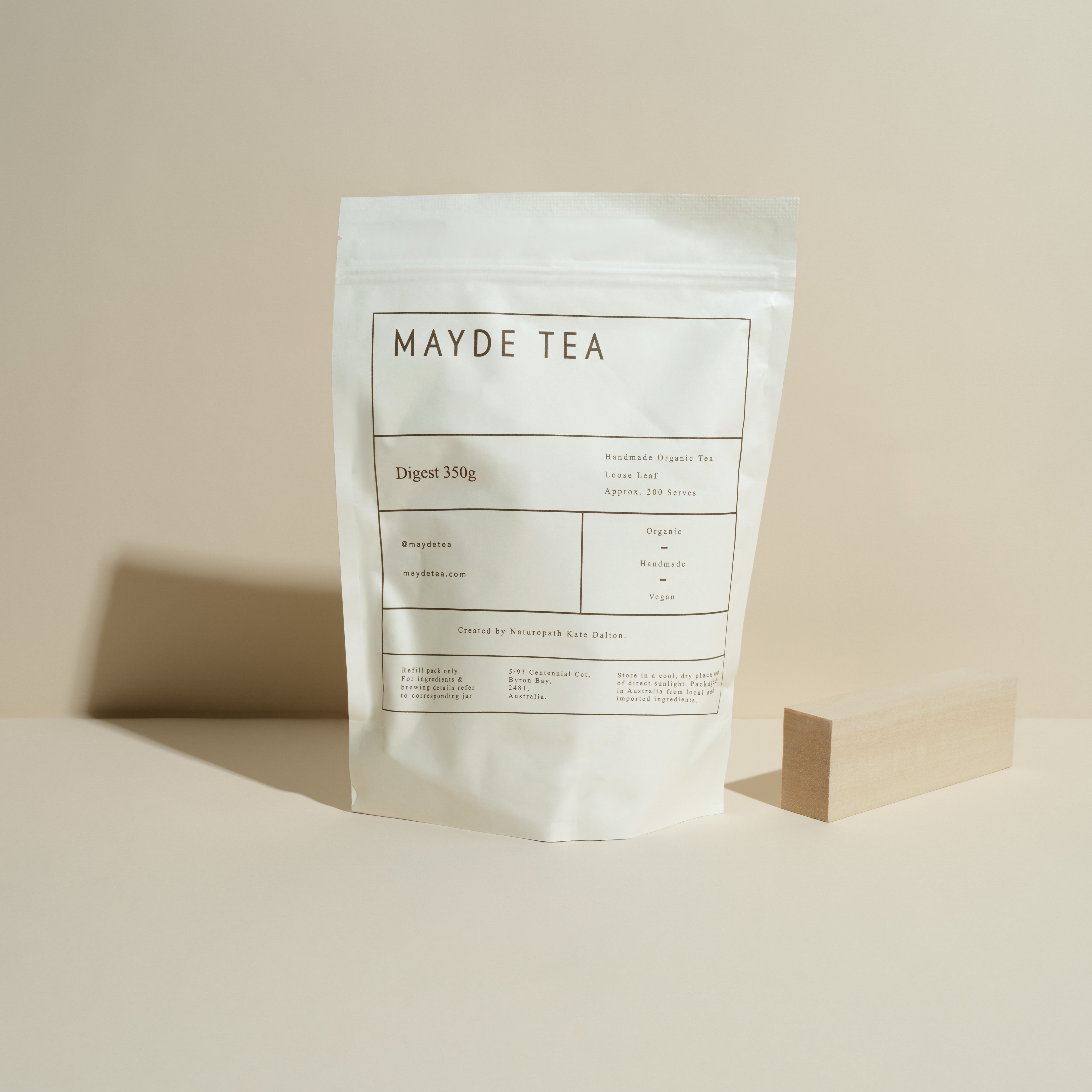
Your body is working through a fairly major hormonal shift as milk production winds down, and depending on how quickly weaning happens, that transition can range from barely noticeable to genuinely uncomfortable. Traditionally, herbs like sage and peppermint, the same ones we'd suggest limiting while building supply, have been used the other way during weaning, in larger or more concentrated amounts, to support the body as it reduces production. You may like to drink several cups of Digest tea daily to support this transition.
2. The Emotional Side
It's completely normal to feel a mix of relief and grief about weaning, sometimes in the same afternoon. Oxytocin, the hormone so tied up in breastfeeding and connection, drops off as feeds reduce, and that can genuinely affect mood for a period, separate from anything to do with supply or comfort.
3. Wean Gradually Where You Can
Dropping one feed at a time rather than stopping abruptly is gentler on both supply and mood, and it reduces the risk of engorgement or blocked ducts along the way.
4. Watch for the Physical Warning Signs
Stay attentive to any signs of blocked ducts or mastitis, redness, pain, or a lump that doesn't ease, and see your doctor if anything like that comes up.
5. Give Yourself the Same Grace You'd Give a Friend
This transition deserves acknowledgment, not just quiet management in the background of everything else you're doing. Whatever this stage looks like for you, it's still part of the same ritual of caring for yourself that started the moment you found out you were pregnant. That doesn't stop just because feeding does.
A Gentle Reminder
If you're finding the physical or emotional side of weaning difficult, please speak with your doctor, midwife, or a lactation consultant. Support is available, and you don't need to work through it alone.





Leave a comment
This site is protected by hCaptcha and the hCaptcha Privacy Policy and Terms of Service apply.