
A Cuppa With Kassanda Peterson

Hi Kassandra, please tell us a little bit about yourself and your background in naturopathy.
I’m a clinical naturopath and the founder of Santal Health, based in Ballarat, Victoria. I hold a Bachelor of Health Science (Naturopathy) and work as a qualified clinical naturopath with a particular interest in women’s health, peri-post menopausal transition and intimate health.
Life at the moment is a mix of seeing clients online in my private practice and in a regional community-based clinic, alongside recording my podcast Holistic-ish, plus all of the other background tasks that running a small business requires. I really value time to prioritise my wellbeing and slow down after a few really intense years completing my degree so I try to prioritise time for movement and socialising in my schedule too.
A fun fact about me is that as a child I was always making “potions” in the backyard and would convince myself I was a witch. I spent a lot of time outside collecting random ingredients and creating little worlds and stories around them. It’s funny looking back now prescribing herbs in real life!
What drew you to specialise in perimenopause and women's intimate health?
Perimenopause is a transitional shift that is experienced differently by every individual and it can impact women’s lives and their identity profoundly. The genitourinary syndrome of menopause (GSM) and the impact intimate health has on women’s lives is also something that can really impact quality of life and relationships. Naturopathy is so well placed to support women through this transition, I feel so lucky to be able to support women during this time of their lives and make a real difference to how they feel in their body now and into the future.
Perimenopause is having a real cultural moment right now, which is wonderful, but what do you think is still being misunderstood or left out of the conversation?
We’ve come a long way in the past few years. It's great that perimenopause is getting more awareness and women are getting taken more seriously when they present with symptoms and challenges. I think that we need to remember that everyone’s experience can be different and that perimenopause isn’t a condition to be cured, moreso a transition to be supported.
So many women are caught completely off guard by perimenopause because they're expecting it to look a certain way. What are some of the more surprising or lesser-known signs that it's already begun?
Many women don’t know that perimenopause can start years before your last menstrual period even in their late 30’s and early 40’s. Early signs to look out for are things like a shorter cycle length, heavier periods, even more subtle signs like sleep disturbance, slightly intensified PMS symptoms and we can often see underlying conditions flare due to the whole-body impact hormones have.

Vulval and vaginal health changes are something so many women experience during this time but rarely feel comfortable talking about. Can you walk us through what's actually happening in the body, and what options are available?
Hormones really do have a whole-body impact, in perimenopause (where hormones fluctuate) shifts in the vaginal microbiome and pH can start. As oestrogen declines, particularly in the later stages of perimenopause it can impact the protective bacteria alongside the health and integrity of the vaginal and vulval tissue. This can present as things like recurrent bacterial vaginosis, dryness, irritation, discomfort during intercourse, or urinary symptoms like UTI’s. All of this can fall under what’s called genitourinary syndrome of menopause (GSM), which is essentially a term that describes the cluster of changes that can affect the vulva, vagina and urinary tract.
Naturopathically, there are lots of options depending on what your symptoms are and looking at what is driving them, options alongside dietary and lifestyle support may include topical applications, pessaries and targeted supplements. I also work collaboratively with GP’s and specialists where clients may benefit from medical interventions as well as other health professionals like pelvic floor physiotherapists.
How does gut health connect to what's going on hormonally for women during perimenopause?
Gut health, hormones and the nervous system are all closely interconnected in perimenopause. The gut microbiome helps metabolise and clear oestrogen, while fluctuating hormones can also influence digestion and symptoms. Other factors like histamine can also be impacted by oestrogen and amplify symptoms like bloating or sensitivities during this time. If you are experiencing gut symptoms I always recommend working with a qualified health professional, as some supplements, inappropriate protocols or long term diet restriction can negatively impact the gut microbiome or worsen symptoms.
Your philosophy is centred around joy rather than depletion and restriction. What does that actually look like in practice when you're working with a client?
I think many people assume working with a naturopath will involve long term restrictions or really intense protocols, but that’s not how I work.
My approach is centred around helping women feel more supported, not depleted. In practice, that means focusing on sustainable, realistic changes that actually fit into someone’s lifestyle rather than asking them to overhaul everything at once.
It’s less about taking things away and more about building resilience in the body over time.
For me, joy is a really important part of health as well. So that can look like helping clients reintroduce flexibility around food, supporting better sleep so they actually feel like themselves again, or reducing symptoms so they have the capacity to enjoy their life rather than constantly manage it.
Ultimately, my goal is for clients to feel like their health is something that supports their life not something that controls or restricts it.

If a woman in her late 30s or early 40s is reading this and quietly wondering whether what she's experiencing might be perimenopause, what's the one thing you'd most want her to hear?
Hmm. It’s really hard to choose one thing, but I think I would say: Don’t put yourself on the back burner! Take a moment to assess what life looks like right now and get some good foundations in place where you can. This could look like building a really supportive healthcare team that you know you can lean on if you need support, integrating more movement that is focused on strength, eating regular balanced meals and noticing where you overcommit and reprioritising.
What I mean by this is that when you’ve got strong foundations in place that genuinely support your wellbeing, you’re able to be more proactive rather than reactive.
What Mayde Tea product have you been loving lately?
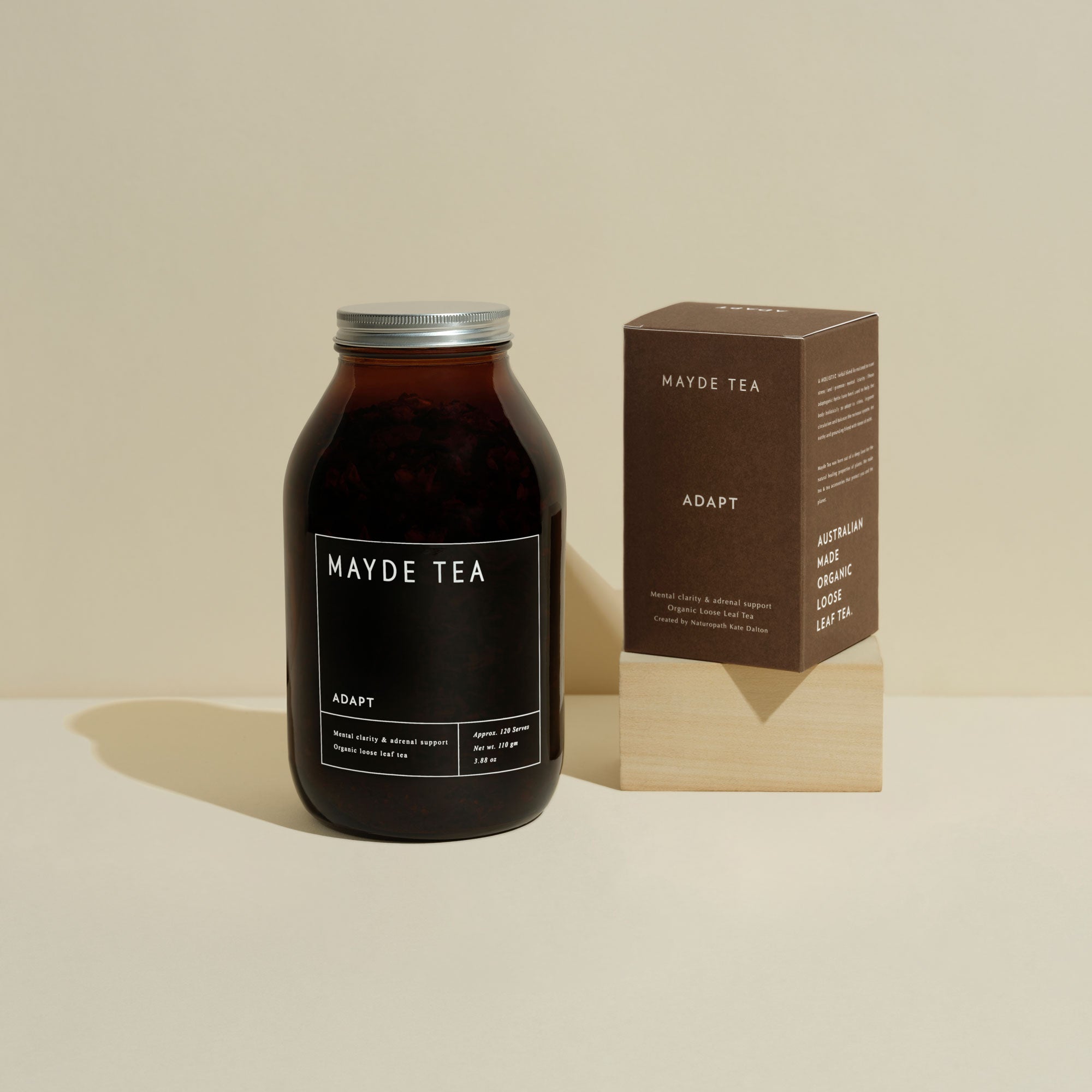
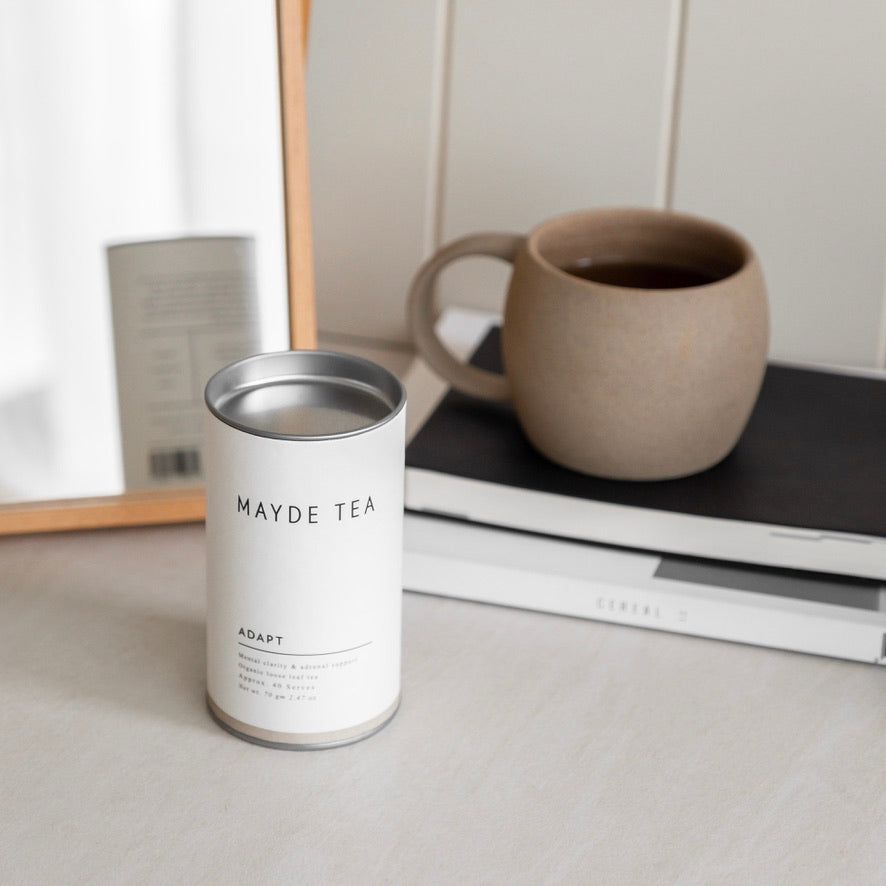
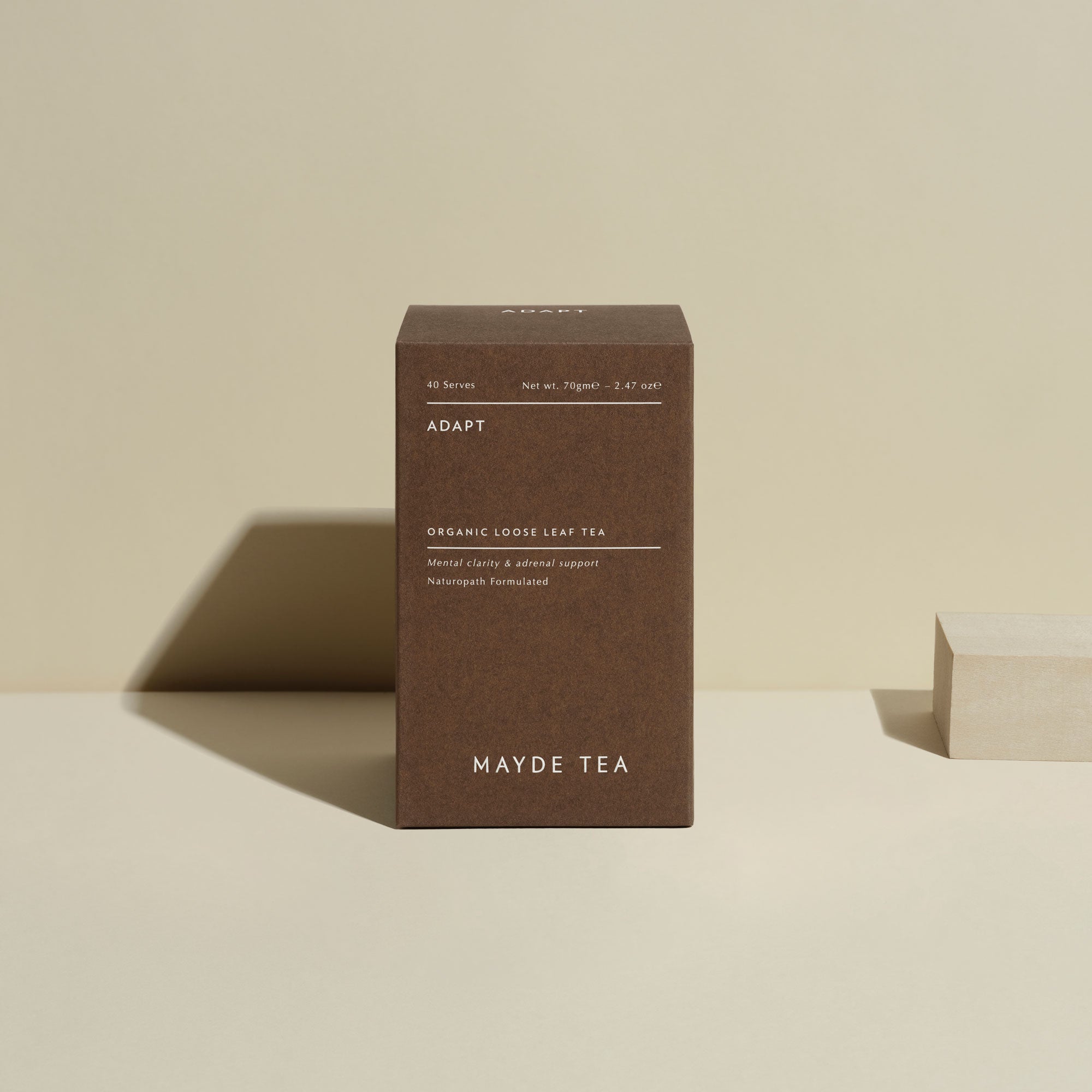
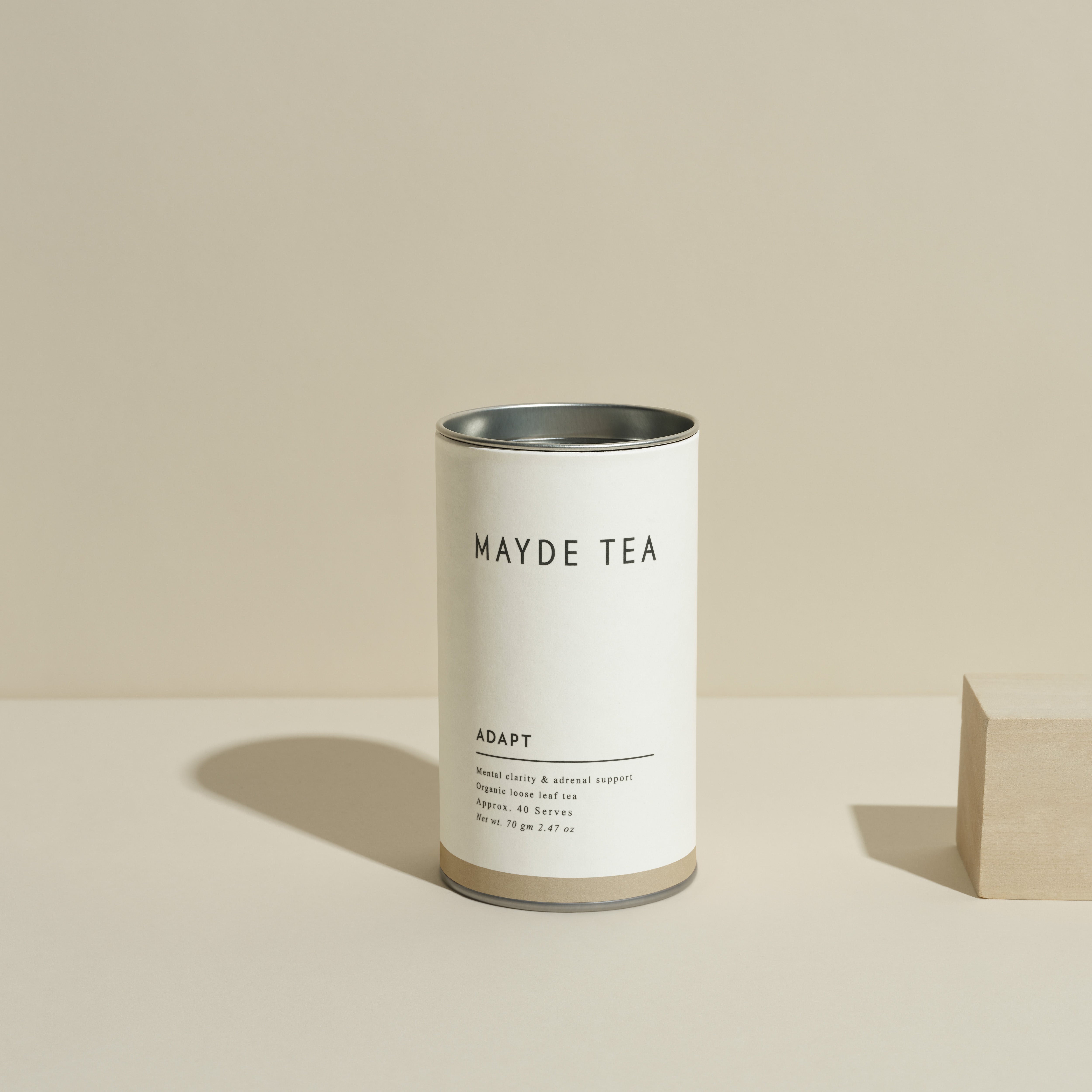
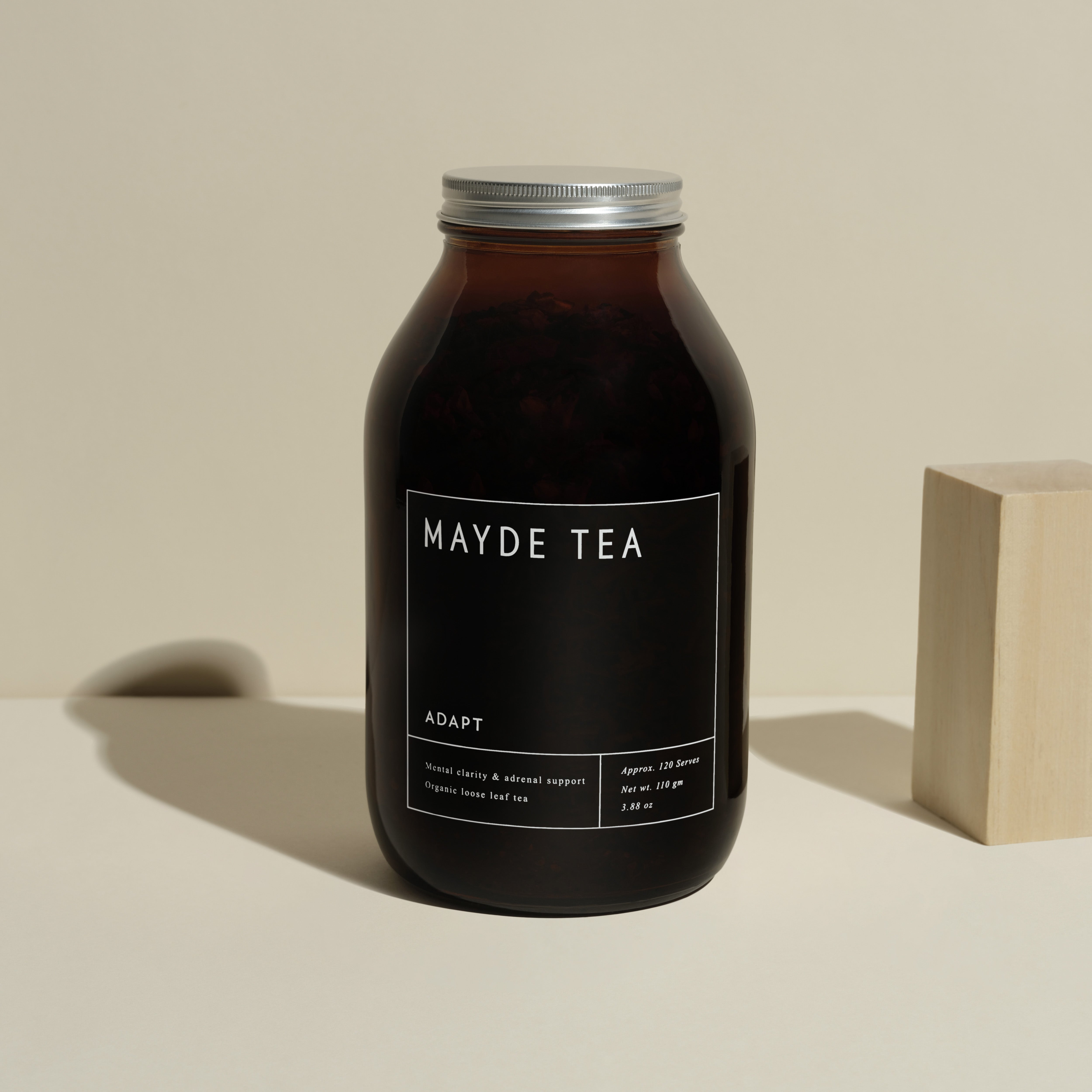
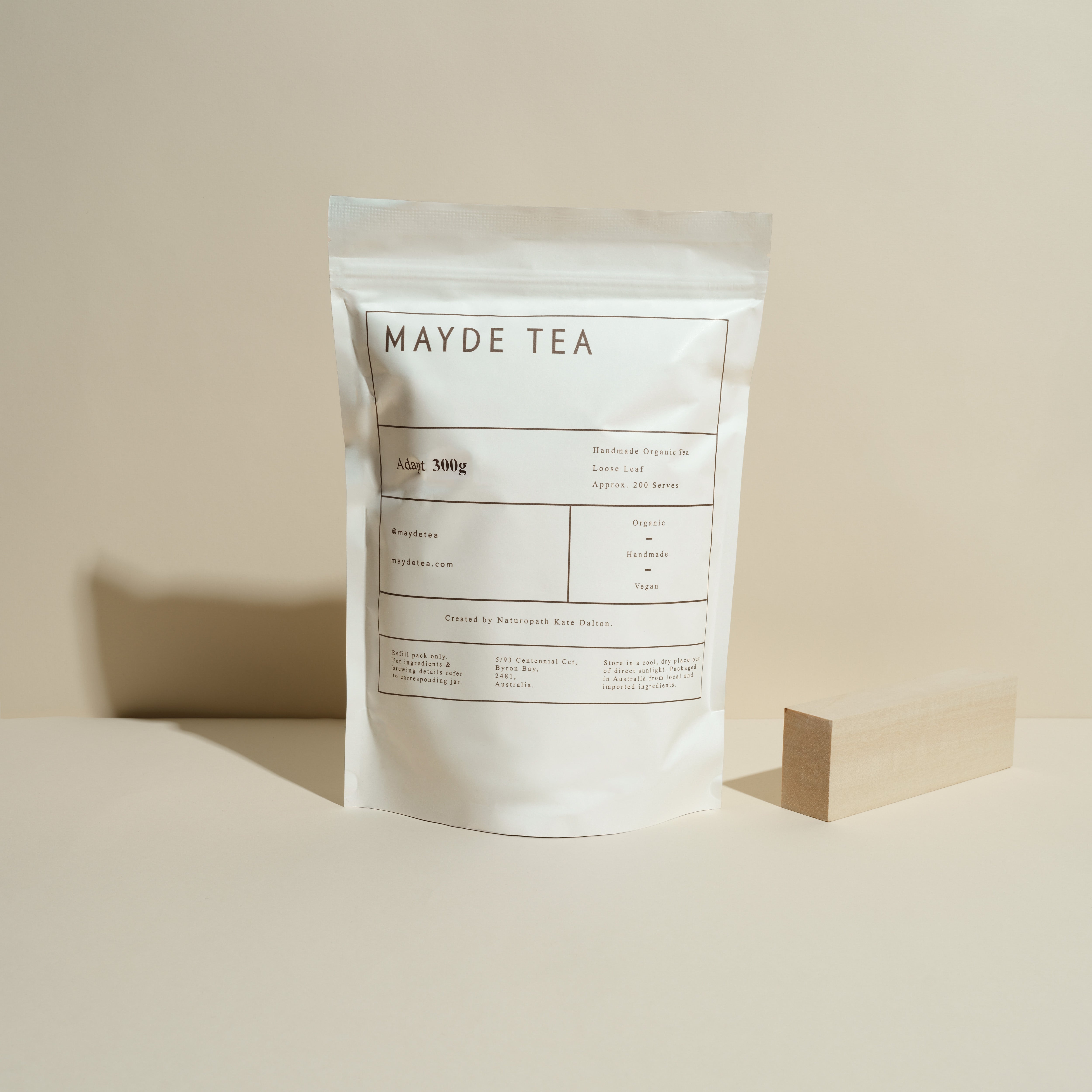
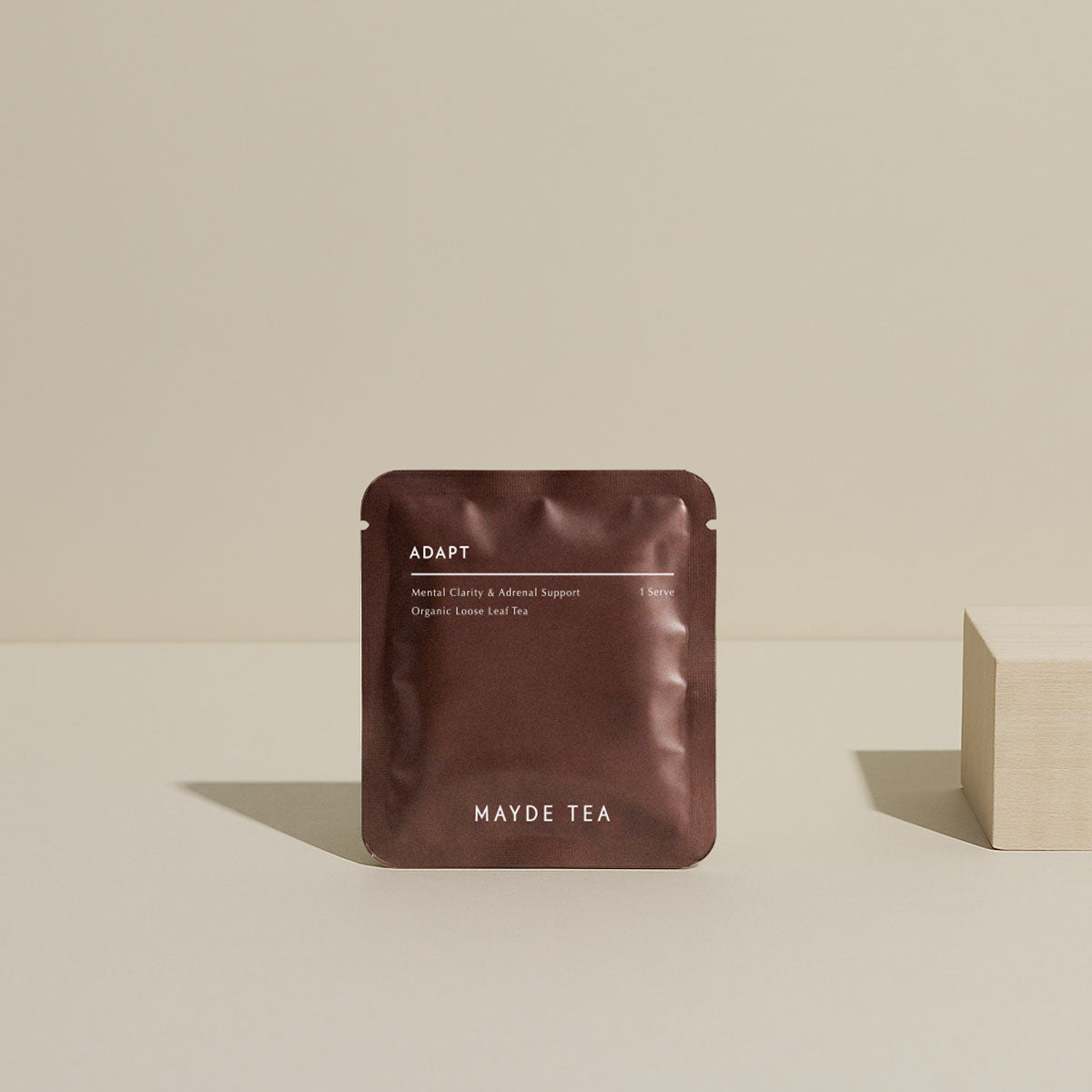
I love Adapt, this blend is one I recommend to clients frequently because of its unique combination of herbs that support the body's adaptation to stressors and mental clarity, plus I love nettle-leaf for women so that’s an extra bonus. I like to really infuse the herbs so I brew it quite strong and will often enjoy it at my desk during an afternoon writing bespoke care plans for clients.
What are you currently...
Listening to: I commute a lot during the week so I am always listening to podcasts, Shameless is my go-to at the moment.
Reading: I recently finished ‘Strangers’ by Belle Burden and it’s really stuck with me, definitely in my top reads this year.
Watching: Rivals- such an addictive show!
Eating: I’m having a moment with stewed fruits right now. Obsessed with a gut-friendly apple crumble recipe that’s been on repeat.
If you can find more about Kassandra at here or on Instagram.

Leave a comment
This site is protected by hCaptcha and the hCaptcha Privacy Policy and Terms of Service apply.