
How to Support Milk Production Naturally

Breastfeeding is one of the most beautiful, and at times vulnerable, chapters of motherhood. It’s deeply instinctive, yet it can also bring questions, uncertainty and moments of self-doubt.
First, I want to say this gently and clearly: fed is best. Your worth as a mother is never measured by milk supply. Support is about nourishment, not pressure.
From a naturopathic perspective, milk production is influenced by three key foundations: nourishment, nervous system balance and consistent stimulation. When these are supported, the body is far more likely to respond with steady supply.
Let’s explore what that can look like in practice.
1. Nourish More Than You Think You Need
Milk production is metabolically demanding. Your body is creating food from your own nutrient reserves, which means under-eating or restrictive habits can quickly impact supply.
Focus on:
-
Regular meals and snacks
-
Quality proteins
-
Healthy fats
-
Complex carbohydrates
-
Plenty of hydration
Warm, grounding meals often feel most supportive during the postpartum phase. Think soups, stews, oats, slow-cooked dishes and herbal teas.
2. Hydration Is Foundational
Breastmilk is primarily fluid. Even mild dehydration can influence output.
Keep a large bottle of water nearby and sip consistently throughout the day. Herbal teas absolutely count here, especially blends formulated to gently support lactation.
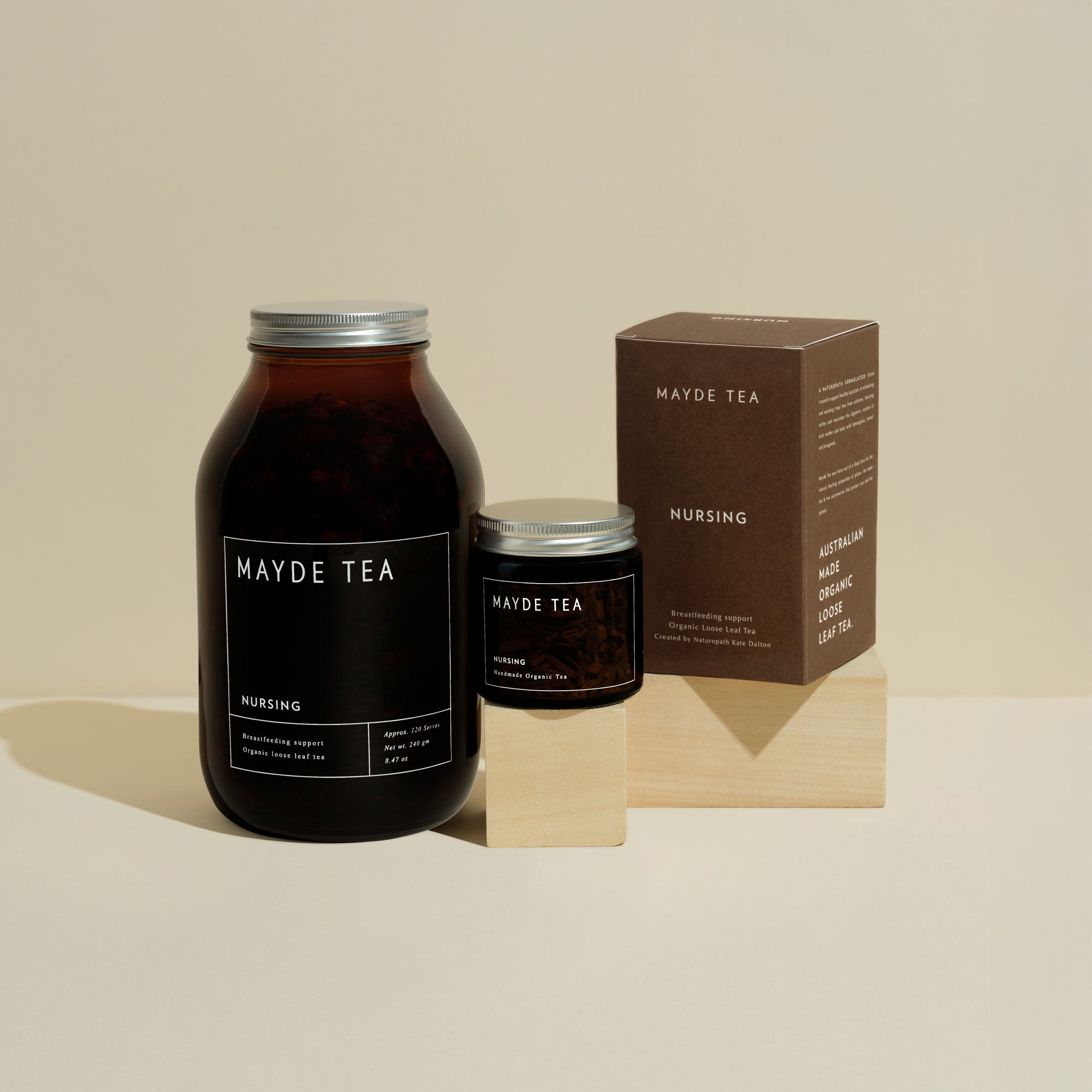
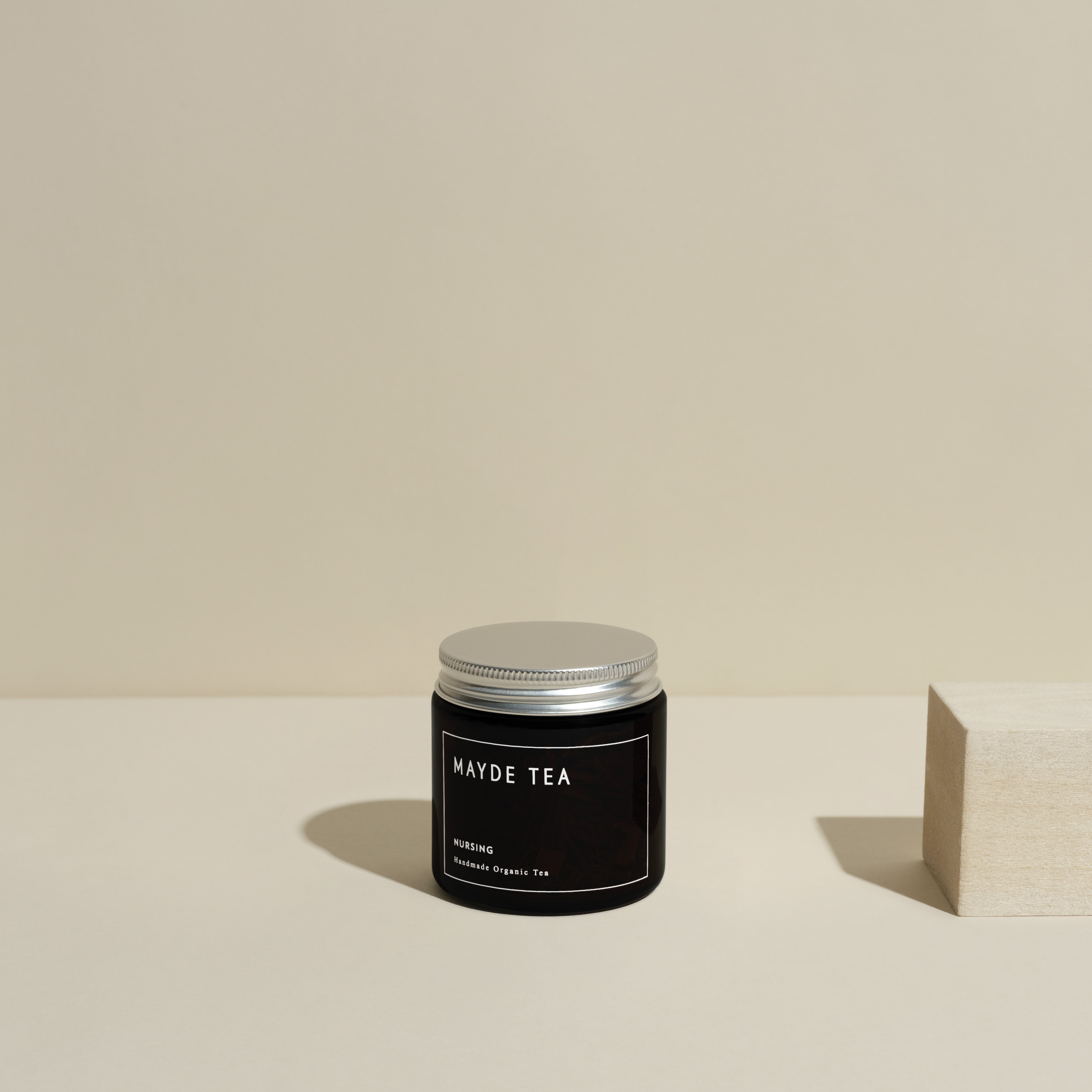
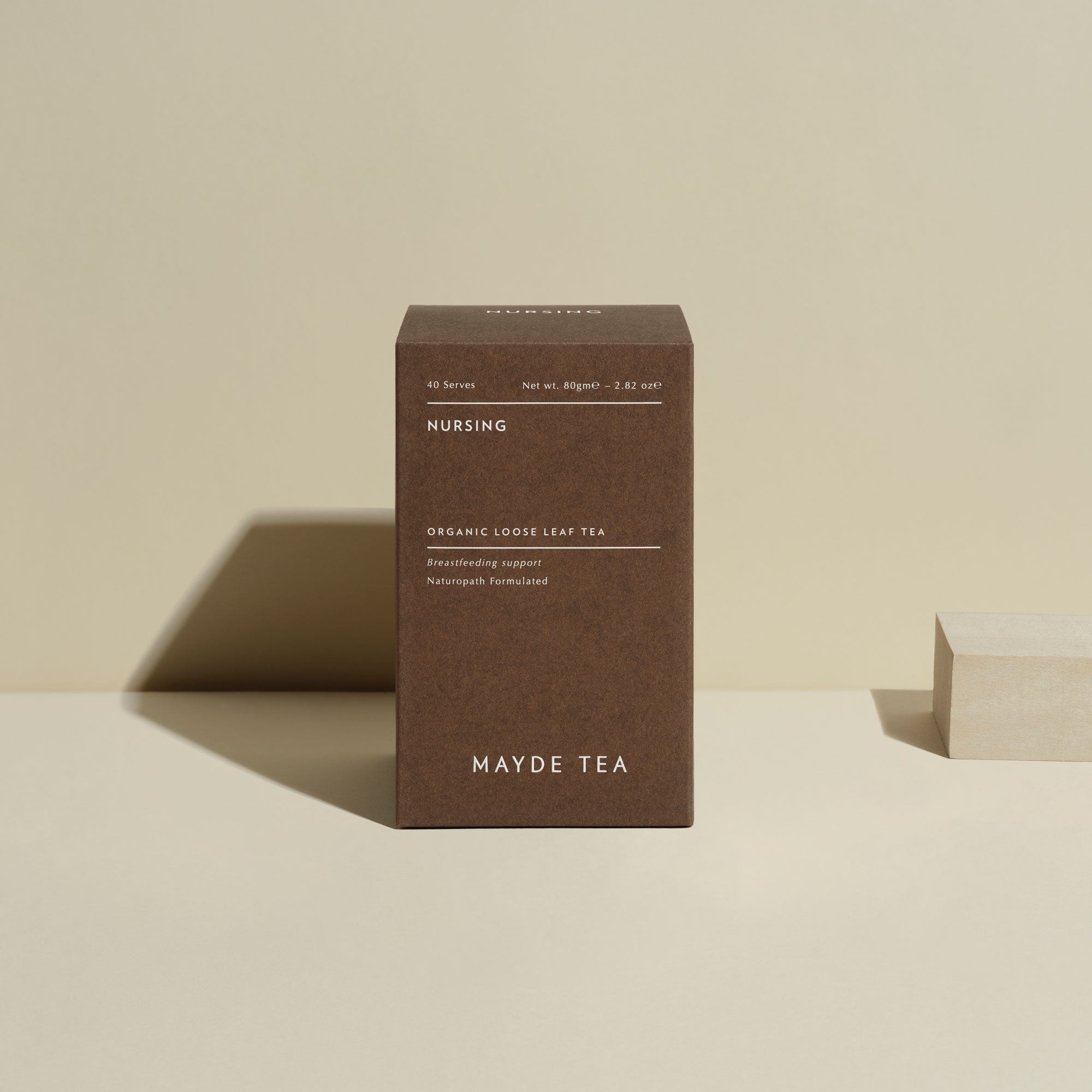
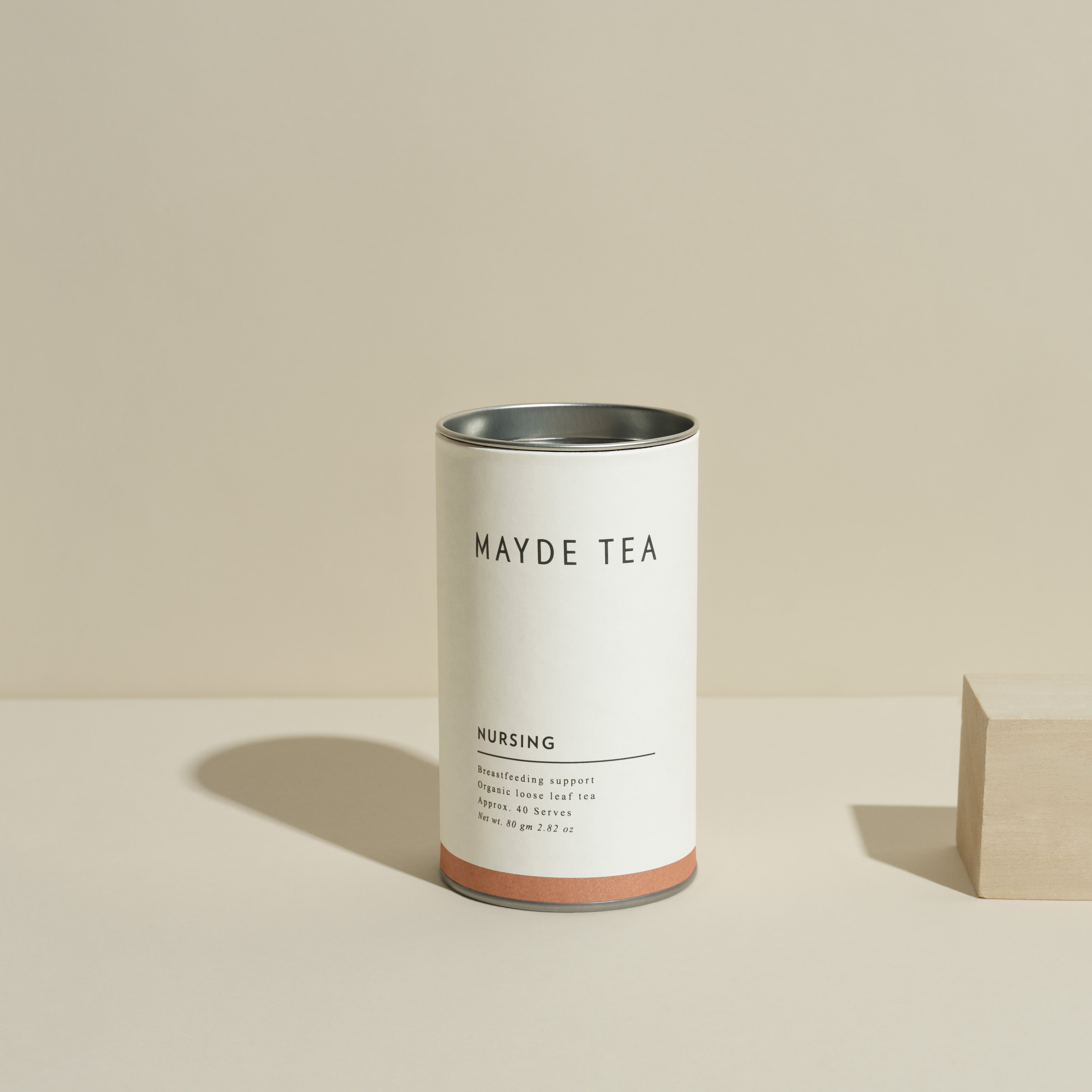
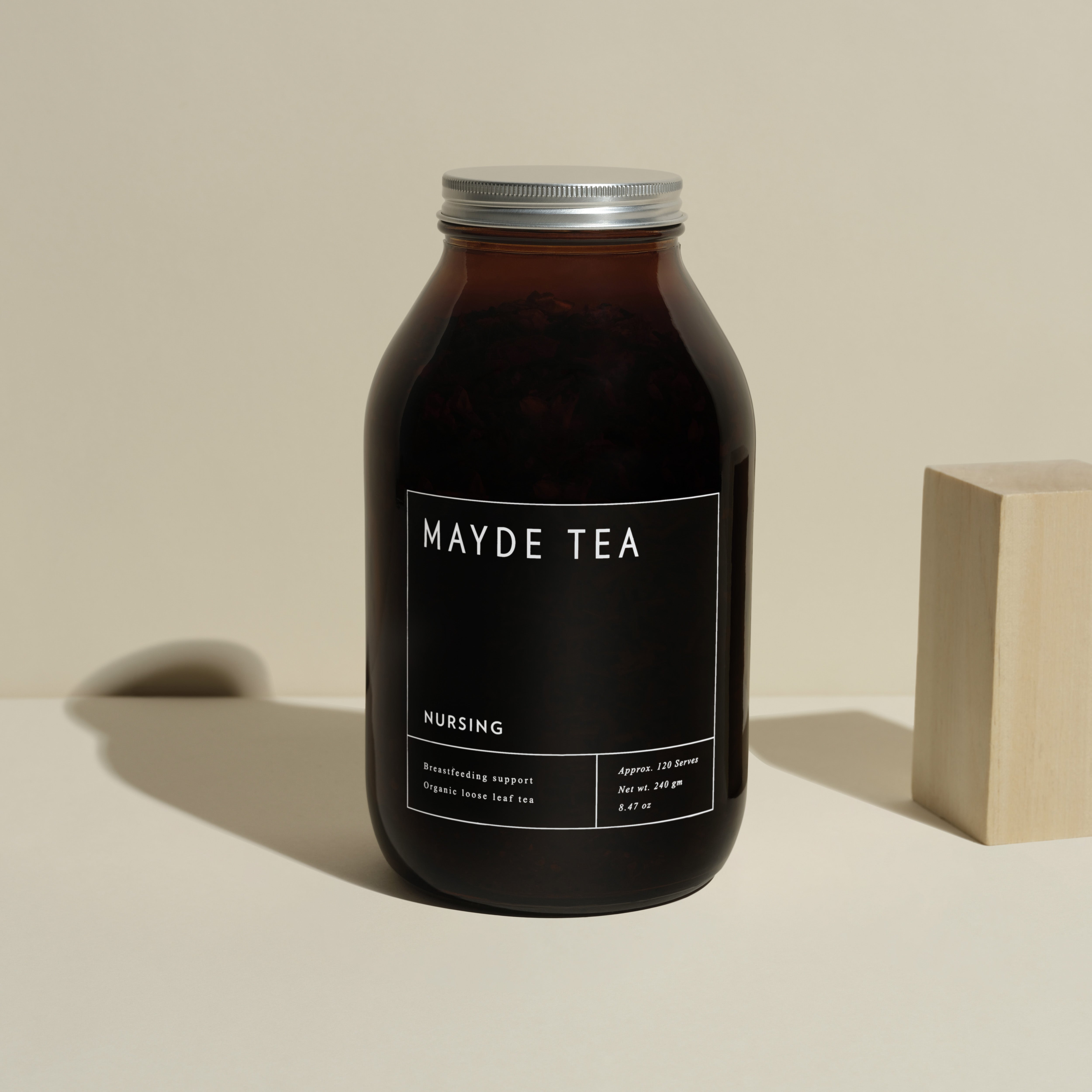
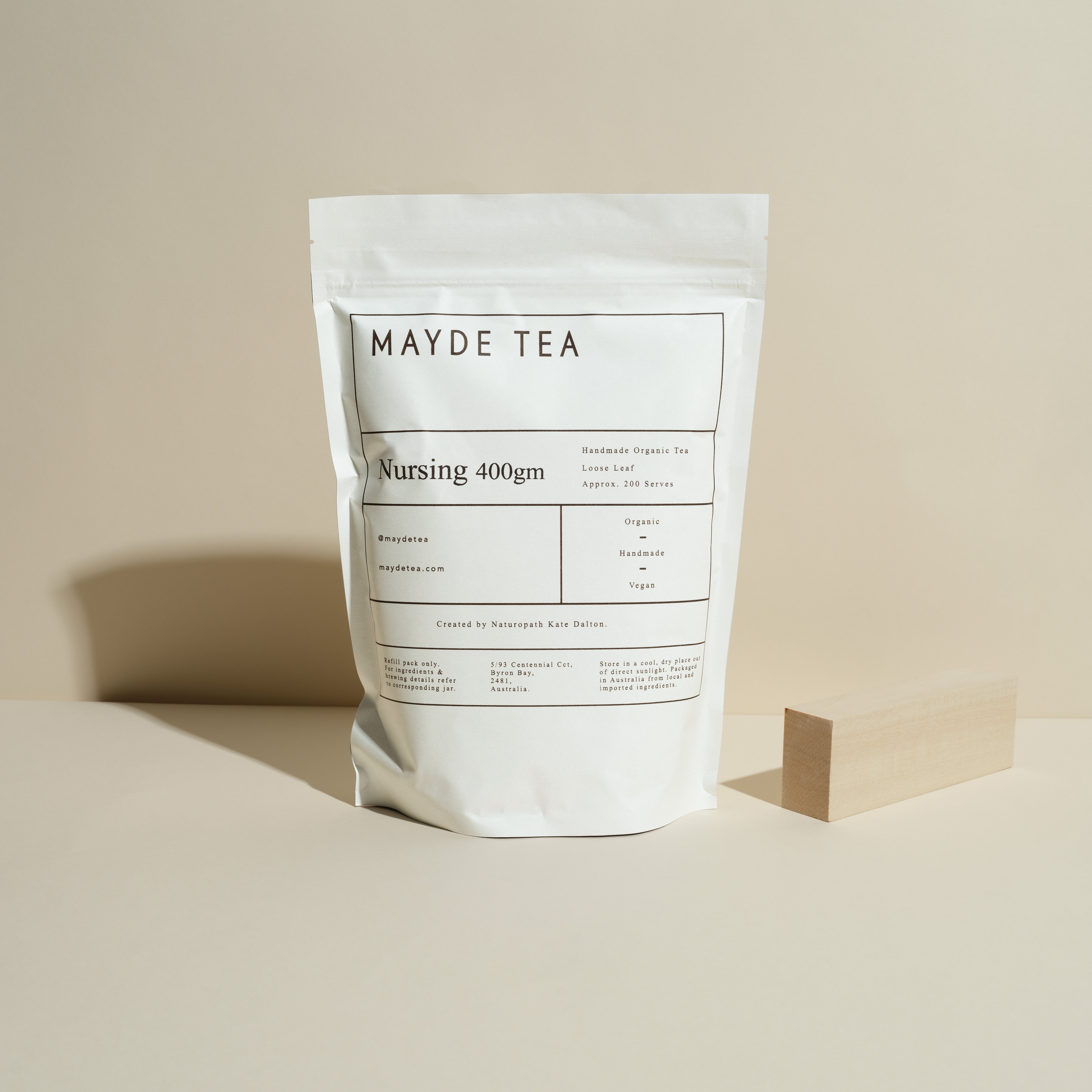
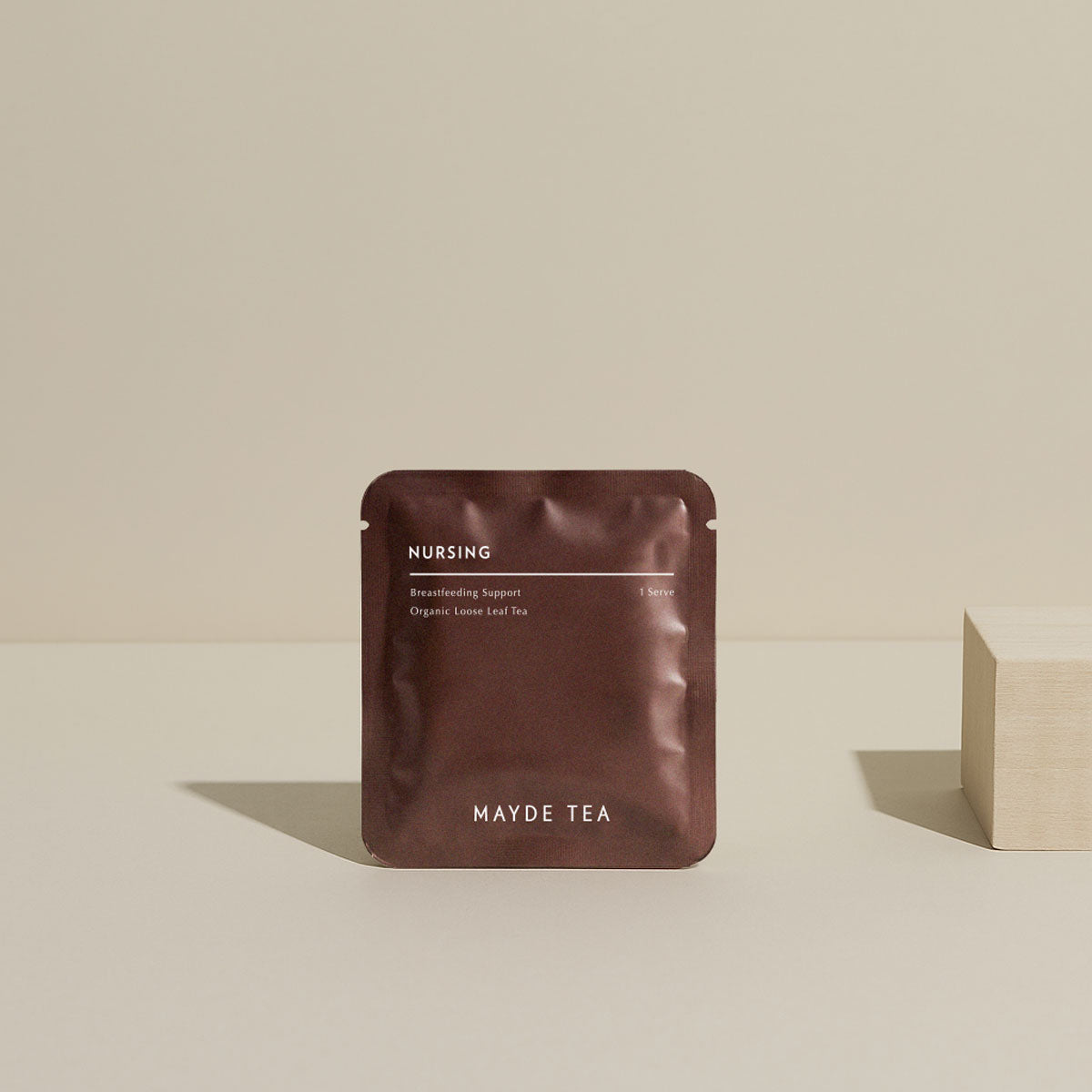
Our Nursing Tea is designed with this in mind. It contains traditional galactagogue herbs such as fennel and fenugreek, alongside soothing botanicals to support digestion and comfort. A galactagogue herb is a plant traditionally used to support and promote healthy breast milk production in breastfeeding mothers. It works by increasing the level of prolactin in the body. Prolactin is one of the many hormones involved in milk production.

3. Support the Nervous System
Milk flow relies on oxytocin — often called the “love hormone.” Stress, exhaustion and overstimulation can inhibit this process.
Simple nervous system cues can make a noticeable difference:
-
Deep belly breathing before feeds
-
Skin-to-skin contact
-
A warm shower
-
A calming cup of tea before settling in
When you sit down to feed, try pairing it with a consistent ritual; perhaps you play meditative music or make a cup of tea beforehand. These small cues signal safety to the body, and safety supports flow.
4. Feed Often and Follow Baby’s Lead
Supply works on demand. The more milk removed, the more your body is signalled to produce.
Cluster feeding, growth spurts and changing patterns are all normal. Trust that fluctuations are part of the rhythm, not necessarily a sign of insufficiency.
5. Rest Where You Can
Sleep deprivation is part of new motherhood, but even small windows of rest support hormonal balance.
Nap when possible. Ask for help. Lower expectations where you can. Milk production thrives in a supported body.
A Gentle Reminder
If you’re concerned about supply, persistent discomfort or baby’s weight gain, please seek guidance from a qualified health practitioner or lactation consultant. Herbal support works best alongside practical feeding guidance.
And remember: motherhood is not a performance.
Supporting milk production is about nourishment, calm and consistency. A warm cup of Nursing Tea can become a small daily anchor in a season that often feels anything but steady.
Be gentle with yourself. Your body is doing extraordinary work.


Leave a comment
This site is protected by hCaptcha and the hCaptcha Privacy Policy and Terms of Service apply.