
Postpartum Nutrient Depletion: What Breastfeeding Mums Need to Replenish
There's a strange gap in how we talk about postpartum care. So much attention goes to pregnancy nutrition, and comparatively little goes to what happens after, even though breastfeeding is just as metabolically demanding, arguably more so, over a much longer stretch of time.
Your body is creating food from your own nutrient reserves, which means under-eating or restrictive habits can quickly show up as fatigue, low mood, or slower recovery.
From a naturopathic perspective, four nutrients tend to matter most in the postpartum months. Let's look at what each one supports and where to find it.

1. Iron
Blood loss during birth, combined with the ordinary demands of recovery, means a lot of new mothers are low on iron without necessarily realising it, since fatigue gets written off as "just having a newborn." Low iron can make that fatigue considerably worse, so it's worth having your doctor test rather than guessing at.
Foods to support: red meat, chicken, lentils, tofu, and leafy greens like spinach, ideally paired with a source of vitamin C, such as citrus or capsicum, to help absorption.
2. B12, Folate, and Zinc
B12 and folate matter for energy and mood, both of which take a real hit in the postpartum months regardless of nutrient status, but which depletion can make harder to manage. Zinc tends to fly under the radar, involved in everything from immune function to wound healing, which matters while you're recovering from birth.
Foods to support: eggs, dairy, and meat for B12; leafy greens, legumes, and wholegrains for folate; oysters, beef, pumpkin seeds, and chickpeas for zinc.
3. Healthy Fats
Omega-3s support both your own recovery and, if you're breastfeeding, your baby's development as well.
Foods to support: salmon, sardines, walnuts, chia seeds, and flaxseed, or a fish oil or algae-based supplement if your intake is low.
4. Regular, Warming Meals
Milk production and recovery both thrive on consistency rather than perfection. Regular meals and snacks, quality proteins, and plenty of hydration matter more than any single ingredient. Warm, grounding food tends to feel most supportive in this phase, think soups, stews, slow-cooked dishes, and a good cup of tea alongside them.
A Gentle Reminder
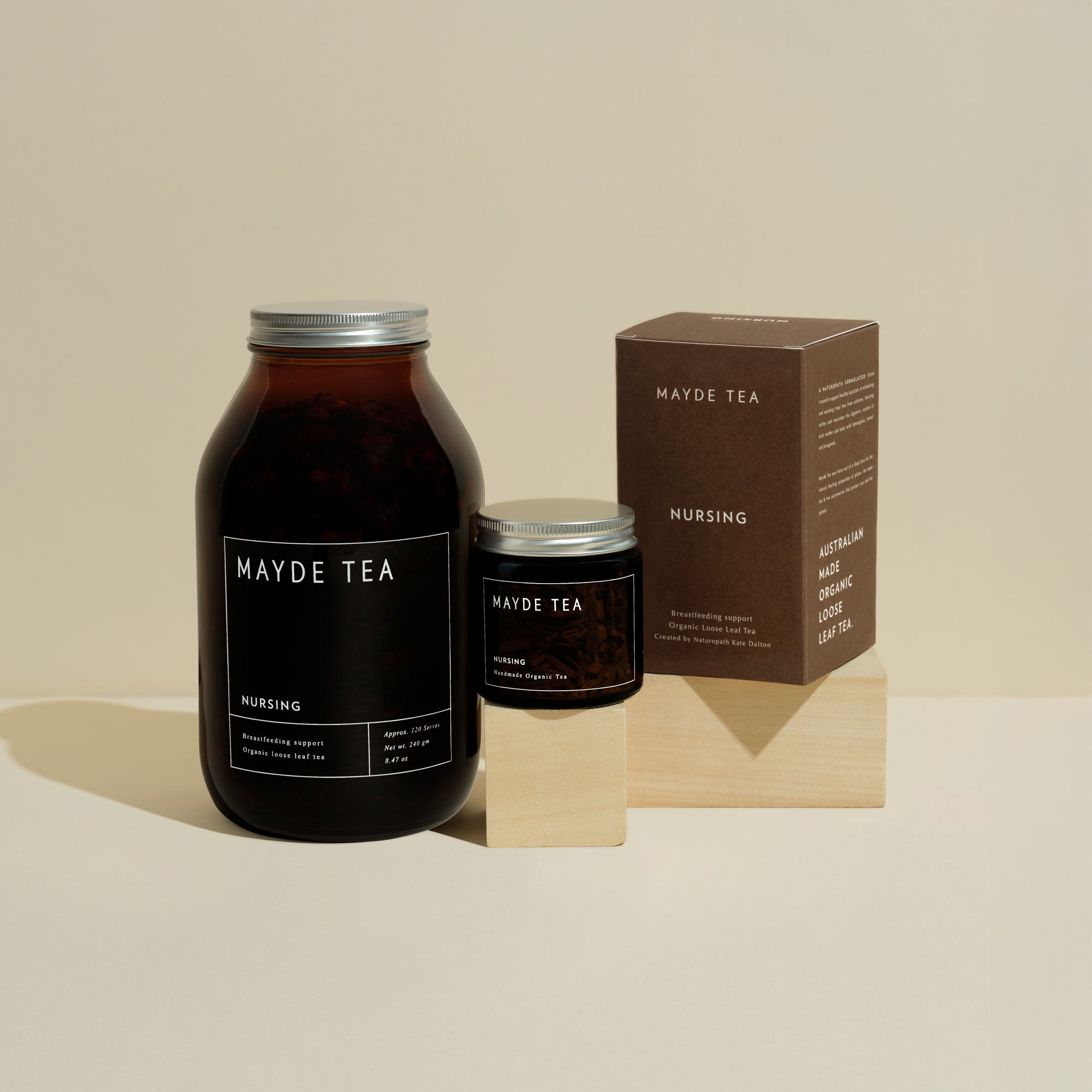
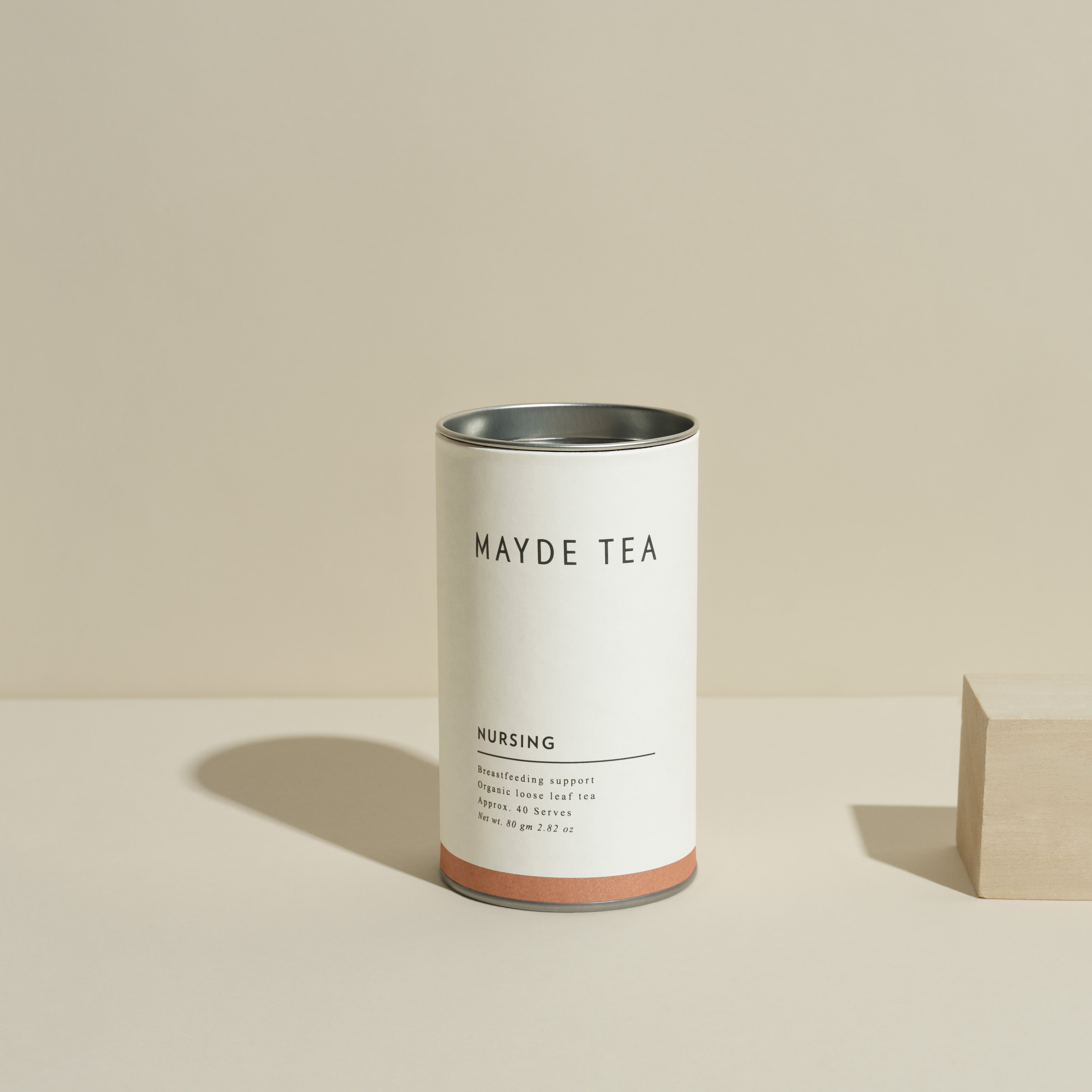
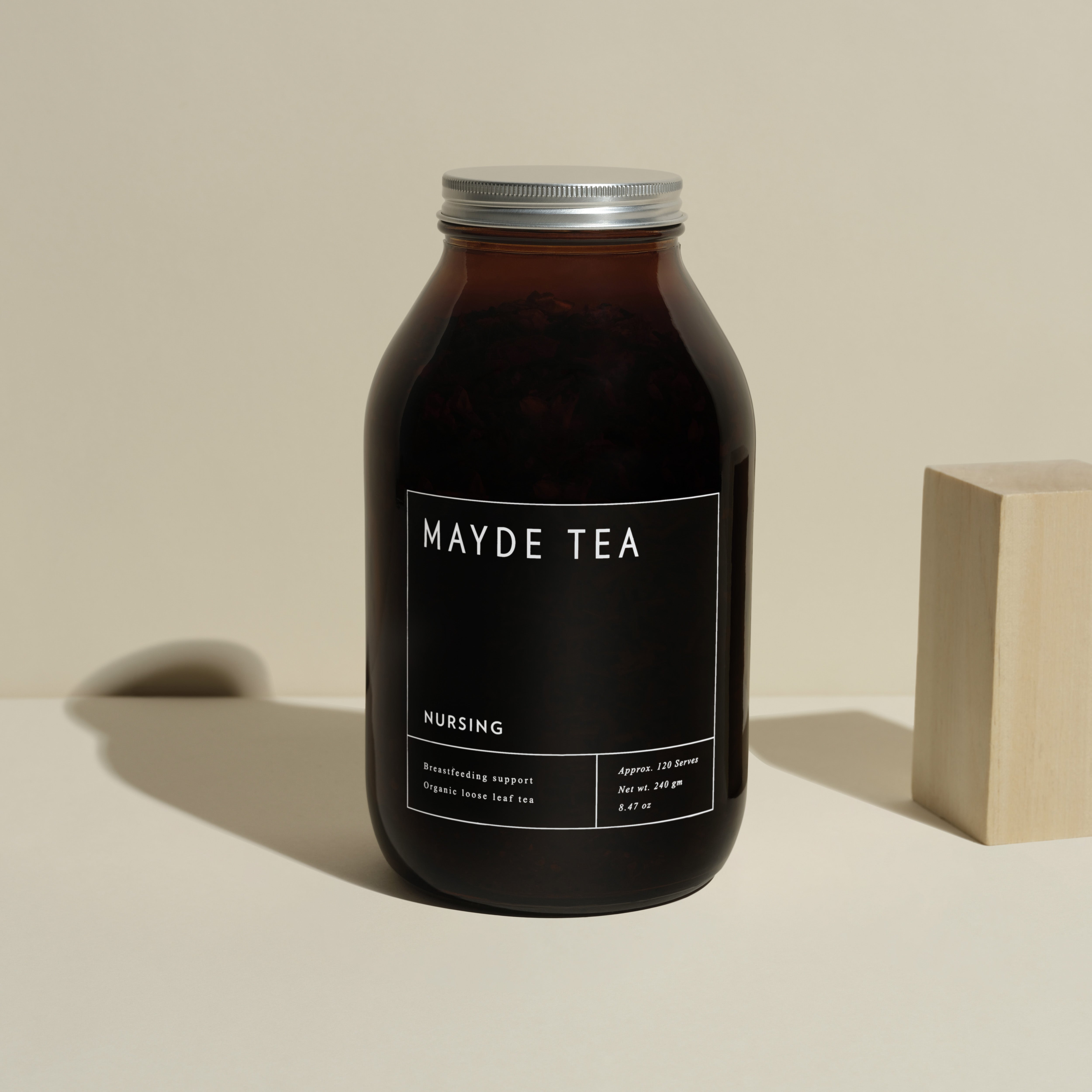
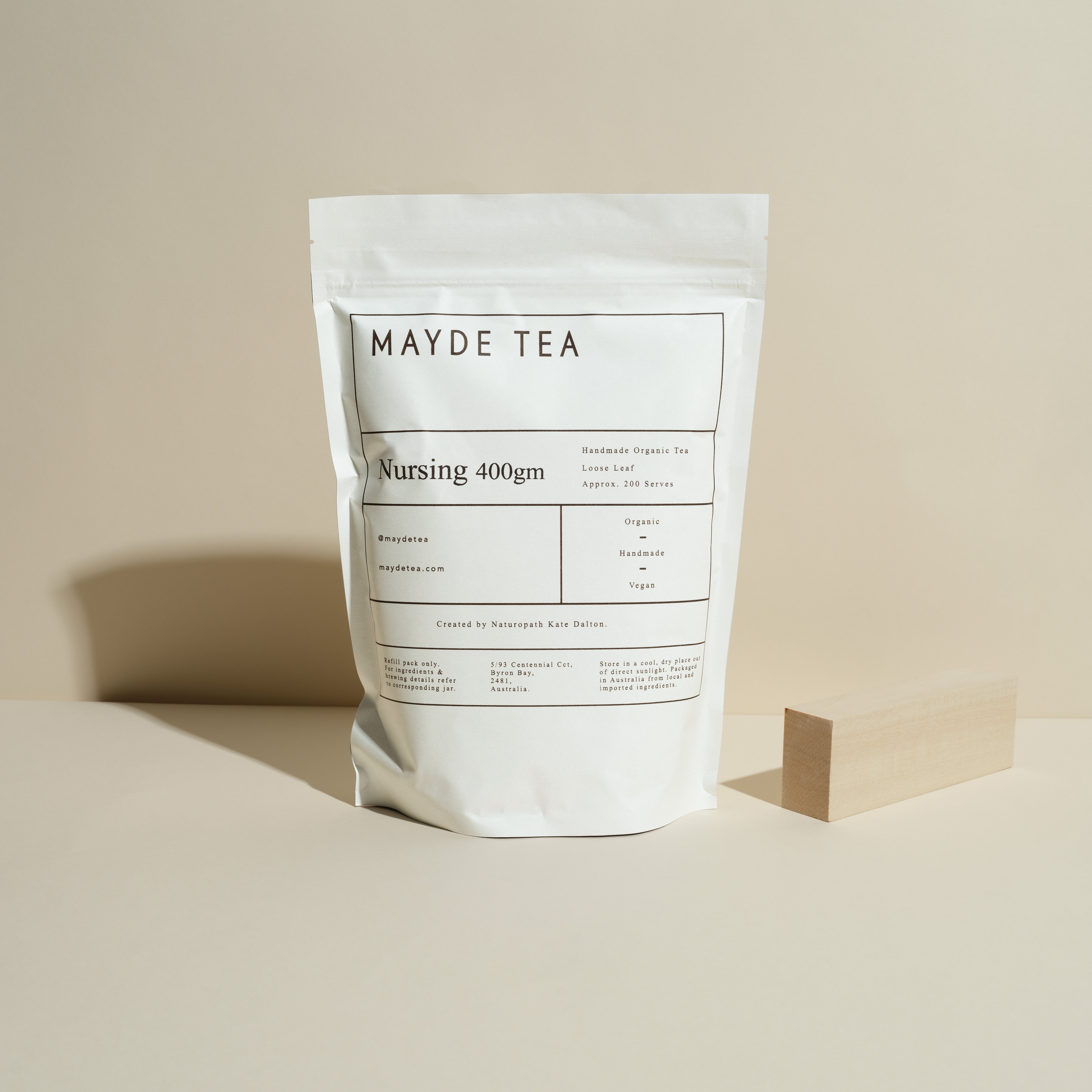
None of this needs to be complicated or turned into another thing to manage on top of everything else. A tea ritual is one of the easier, lower-effort ways to build a bit of consistency back into your day, something you can do one-handed while feeding, that doesn't ask much of you beyond boiling the kettle.
This is general nutritional information, not a substitute for individual advice, so if you're concerned about depletion or fatigue that isn't improving, it's worth a blood test with your GP. Be gentle with yourself. Your body is doing extraordinary work.

Leave a comment
This site is protected by hCaptcha and the hCaptcha Privacy Policy and Terms of Service apply.