
Milk Supply 101: What Actually Affects Your Breastfeeding Journey
Milk supply comes with more opinions than almost any other part of early motherhood, and most of them land somewhere between well-meaning and unhelpful when you're the one lying awake worrying about it.
Your worth as a mother is never measured by milk supply. What actually moves supply is a fairly small set of foundations, and understanding them tends to be far more useful than another list of foods to eat.
From a naturopathic perspective, supply is shaped by five key foundations. Let's look at what each one means in practice.

1. The Mechanics: Demand Drives Supply
Milk supply runs on a fairly simple principle. The more consistently and effectively milk is removed, whether by baby feeding or by expressing, the more your body is signalled to keep making it. This is why the first few weeks matter so much for establishing supply, and why sudden changes to feeding patterns can affect it either way. Cluster feeding, growth spurts, and changing patterns are all normal, and fluctuations are part of the rhythm rather than a sign of insufficiency.
2. Hydration
Breastmilk is primarily fluid, and even mild dehydration can influence output. Keep water nearby and sip consistently through the day, it's easy to underestimate how much a breastfeeding body needs, especially in the middle of a long stretch of feeds. Herbal tea counts here too, especially a blend formulated with supply in mind.
3. Nutrient Reserves
Pregnancy and birth ask a lot of your reserves. If you're not replacing what's being used, particularly iron, B vitamins, and healthy fats, it can affect your energy and, for some mothers, supply as well.
4. Nervous System Balance
Milk flow relies heavily on oxytocin, the hormone most tied to connection and calm. Stress and exhaustion can work against it, which is part of why supply can dip during a hard week even when nothing else has changed. This isn't about "just relaxing," which is close to useless advice when you're exhausted and worried about your baby. It's about recognising that rest, support, and a few minutes to yourself aren't indulgences right now, they're part of what your body needs to do its job. A warm shower, skin-to-skin contact, or a calming cup of tea before you settle in to feed can all act as small cues that signal safety to the body.
5. Thyroid Health
An under active or overactive thyroid can genuinely affect supply, and it's a common enough issue postpartum that it's worth ruling out with your GP if something feels off and isn't resolving.
A Gentle Reminder
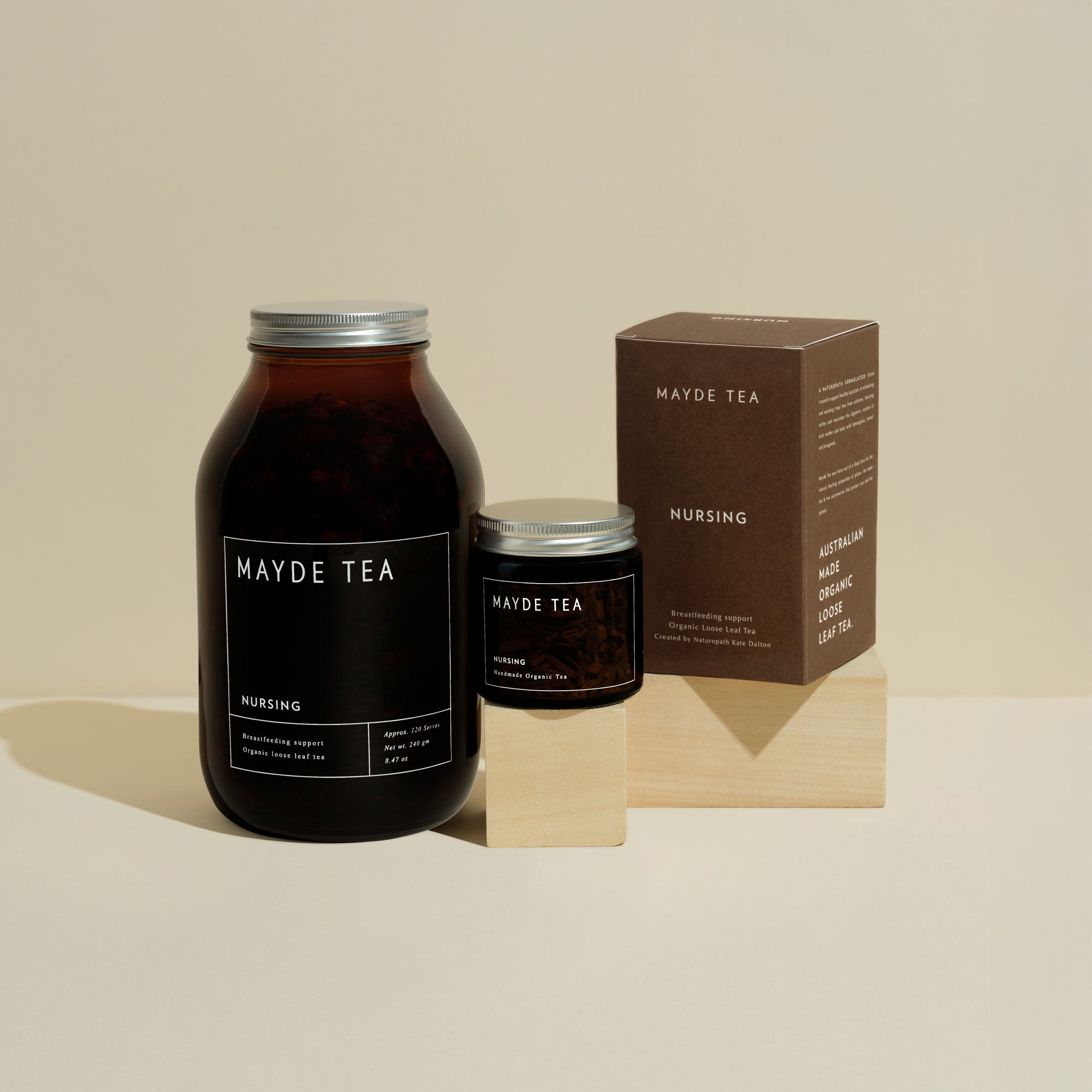
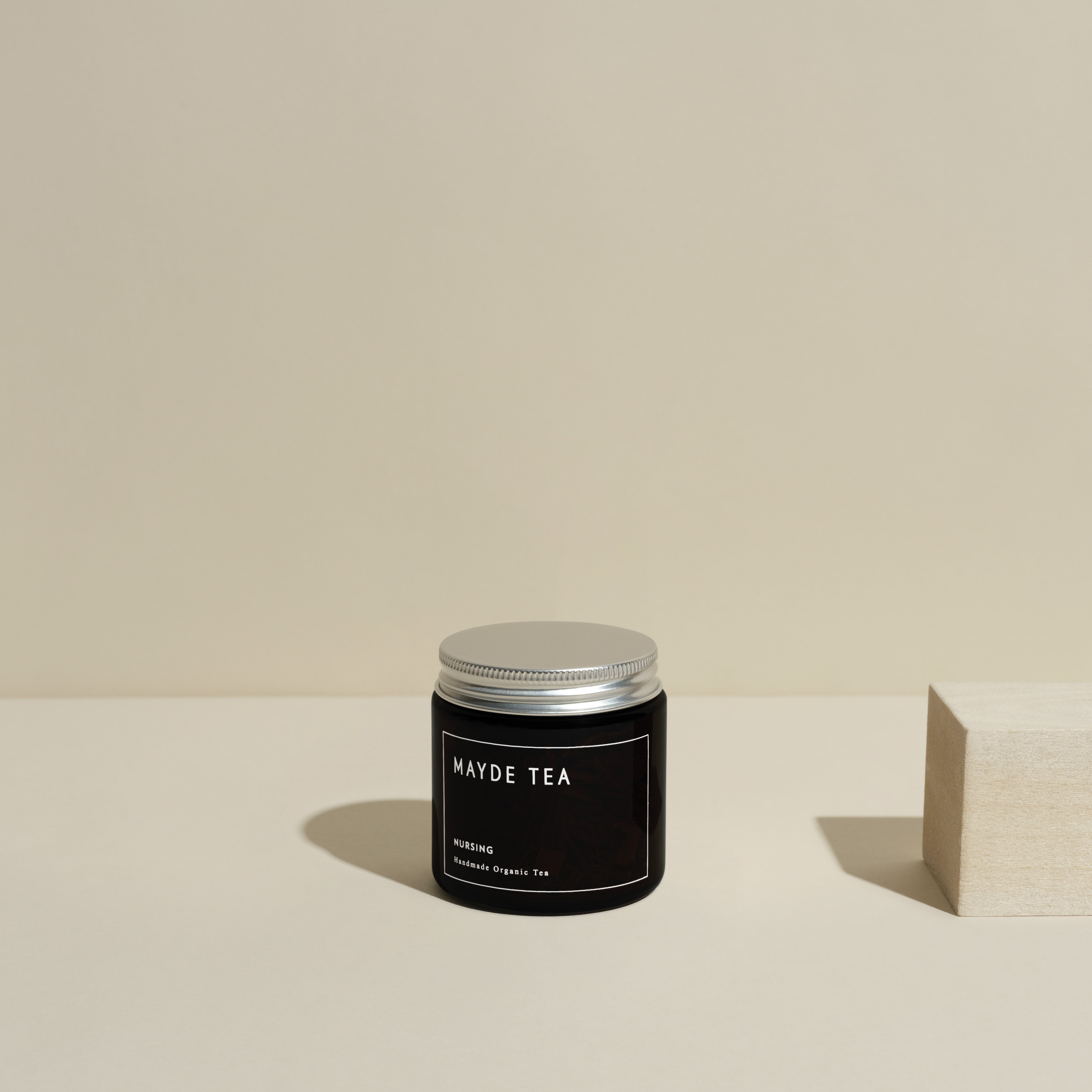
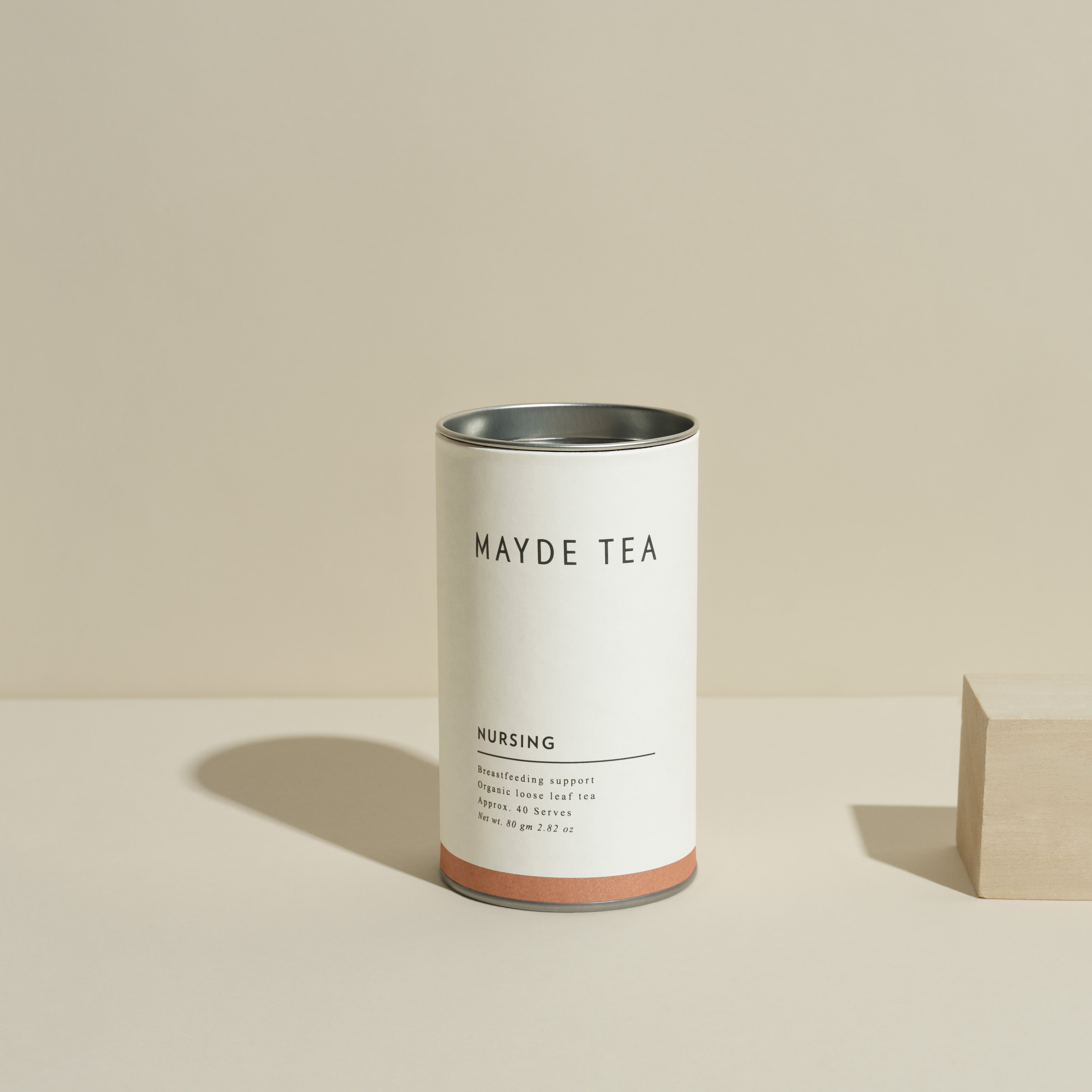
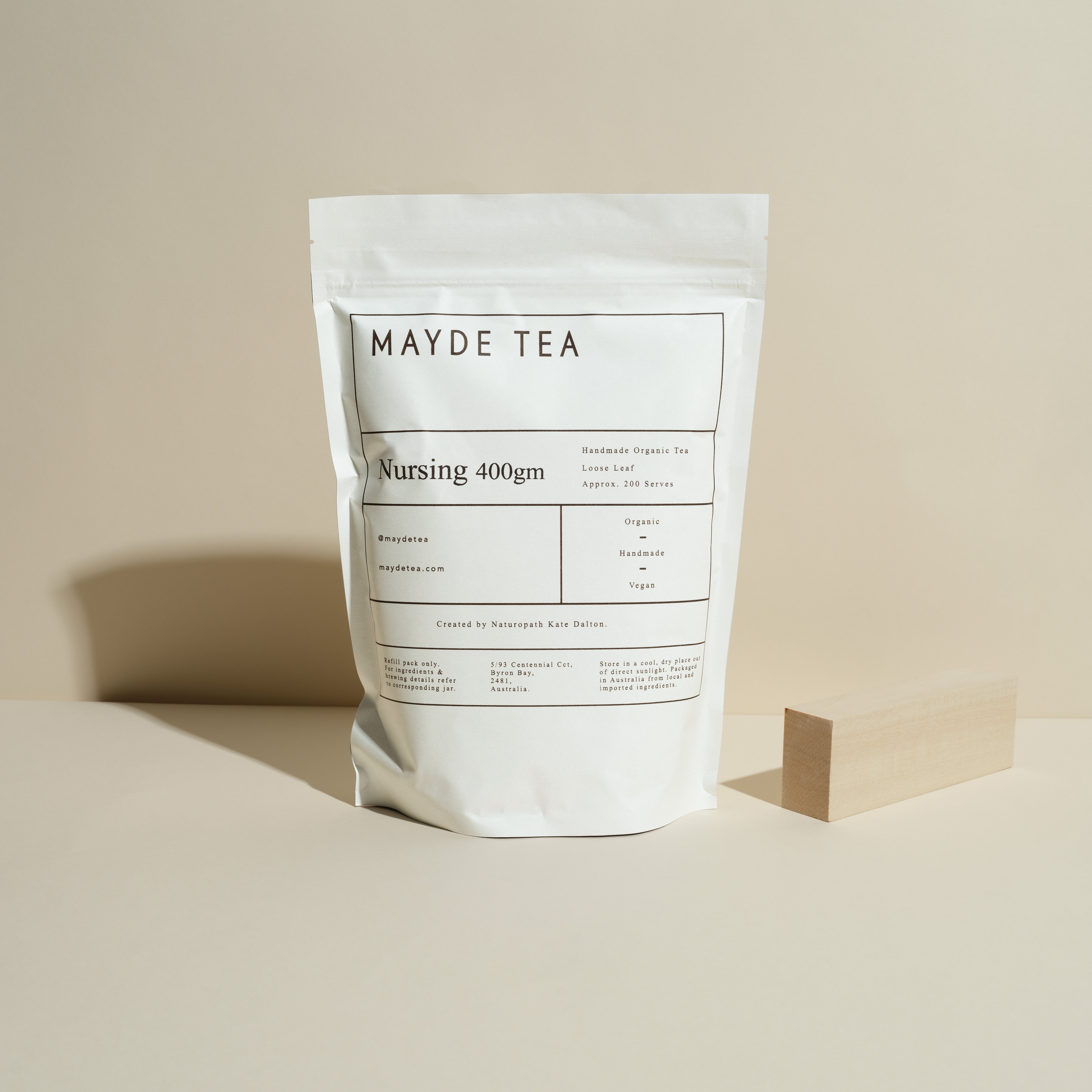
Herbal support has a role here, but it's a supporting one rather than a fix for an underlying issue. Blends built around fennel, fenugreek, and aniseed, like our Nursing Tea, have long been used alongside good rest, hydration, and nutrition, not instead of them.
If you're concerned about your milk supply, please speak with your doctor, midwife, or a lactation consultant, who can look at your specific situation rather than general information like this. Supporting supply is about nourishment, calm, and consistency, and a warm cup can become a small daily anchor in a season that often feels anything but steady.





Leave a comment
This site is protected by hCaptcha and the hCaptcha Privacy Policy and Terms of Service apply.